Skip to content
A Broader View Volunteers

Sea Turtle Conservation Organization · Costa Rica

Volunteer in Costa Rica: Sea Turtle Conservation

Volunteer in Costa Rica Most national parks offer on-site shared volunteer accommodations. These living conditions are basic, but clean and comfortable. Running water is available and communal washrooms.

Apply freeFees in Costa Rica from $1,060

At a glance

Project length
From 2 weeks to 6 weeks
Arrival airport
San Jose (SJO)
Work schedule
6-8 hours per day, 6 days a week
Requirements
Basic Spanish, independent bus ride to/from project site
Age
Minimum 17yrs or older for solo travelers.
Mandatory
17 yrs must get escorted to the program by our staff, it's US$200 extra, round trip (if traveling without parents).
Minimum Age
12 to 16 yrs if traveling with parents. Families welcome all ages.

Volunteer in Costa Rica Most national parks offer on-site shared volunteer accommodations. These living conditions are basic, but clean and comfortable. Running water is available and communal washrooms. Meals are provided 3 times a day (breakfast, lunch and dinner) including beans, rice, grains, meat and vegetable. This is a rustic, adventure location and require people about o adapt to the basic conditions. A two week minimum program is requiered to a maximum of 6 weeks. Volunteers need to bring their own bedsheets/pillows

Important: Arrival flights must be before 10pm (no exceptions) to San Jose and departure flight should be after 1pm. And arrivals/departures only Mondays to Thursdays, Not Saturday or Sunday.

Sea Turtle Opportunities

Volunteer Costa Rica Animal Welfare

Costa Rica: Sea Turtles Caribbean

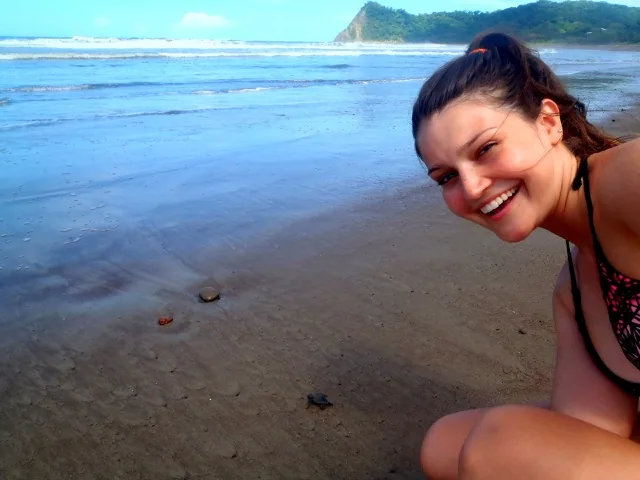
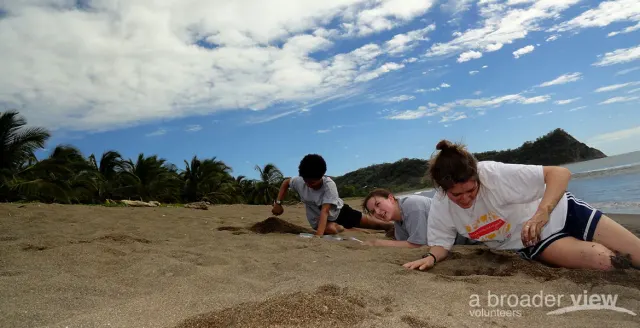
This park is the most important area in the entire west half of the Caribbean for the nesting of the green turtle. Volunteers participate on the sea turtle preservation including monitoring and registering nesting patterns, record keeping of eggs, moving eggs to the hatchery, beach patrols, freeing of the newborns to the ocean. Experience not required, but anticipate strange work hours (middle of the night!) and lots of time spent on the beach.

Our projects are open to students studying; or those with a keen interest, biology, marine life, animal welfare and conservation efforts around the World. Volunteering in the National Parks of Costa Rica help to solve some of the issues related to the lack of personnel and budget cutbacks that the Costa Rican's government has to face every year. We know that volunteers play a vital role in the conservation efforts: without outside assistance, these projects would be lost. Come join us and make a difference!

Project Notes:

Most national parks offer on-site shared volunteer accommodations. These living conditions are basic, but clean and comfortable. Running water is available and communal washrooms. Meals are provided 3 times a day (breakfast, lunch and dinner) including beans, rice, grains, meat and vegetable. This is a rustic, adventure location and require people about o adapt to the basic conditions. A two week minimum program is requiered to a maximum of 6 weeks. Volunteers need to bring their own bedsheets/pillows

School group projects can be arranged and customized including group tour leader, airport transfers, project placement, meals/accommodations and sightseeing trips. Please inquire about our Spring break and summer vacation programs. Discounts apply for groups of 5 or more traveling together. We can accommodate any project length.

Costa Rica: Sea Turtles Pacific

A very secluded location requires 4/4 vehicles and boats to access the program area. Volunteers participate on the sea turtle preservation including monitoring and registering nesting patterns, record keeping of eggs, moving eggs to the hatchery, beach patrols, freeing of the newborns to the ocean. Experience not required, but anticipate strange work hours (middle of the night!) and lots of time spent on the beach.

Our projects are open to students studying; or those with a keen interest, biology, marine life, animal welfare and conservation efforts around the World. Volunteering in the National Parks of Costa Rica help to solve some of the issues related to the lack of personnel and budget cutbacks that the Costa Rican's government has to face every year. We know that volunteers play a vital role in the conservation efforts: without outside assistance, these projects would be lost. Come join us and make a difference!

Project Notes:

Most national parks offer on-site shared volunteer accommodations. These living conditions are basic, but clean and comfortable. There is no electricity in the home. This is a secluded area and rustic cabins for living. Running water is available and communal outdoor washroom/showers. Meals are provided 3 times a day (breakfast, lunch and dinner) including beans, rice, grains, meat and vegetable. This is a rustic, adventure location and require people about o adapt to the basic conditions. A two week minimum program is requiered to a maximum of 6 weeks. Volunteers need to bring their own bedsheets/pillows.

School group projects can be arranged and customized including group tour leader, airport transfers, project placement, meals / accommodations and sightseeing trips.

Please inquire about our Spring break and summer vacation programs. Discounts apply for groups of 5 or more traveling together. We can accommodate any project length.

Costa Rica: Sea Turtle Internship

Internship descriptions: With the collaboration of volunteers through internship projects we get the chance to continually improve the development of the investigation projects, pursuing conservation of resources in areas of biological importance in the Central American tropics.  We need people who want to have a rewarding experience doing an internship or a gap year project on behalf of the natural resources of Costa Rica and the world. It is also a great opportunity to learn about the culture, language, food and hospitality of Costa Rica in the Latin American context.


### 

Participation objective


Apply knowledge in areas of natural sciences in terms of improving and supporting research activities in marine resource conservation in Costa Rica, fulfilling personal and professional academic requirements related to biodiversity conservation.

Program schedule

  • Program starts and ends in San Jose
  • Airport pick up. Project orientation and first night spent in San Jose.
  • Transfer to bus station, including bus ticket to project
  • Pick up at bus station and escort to project site on arrival at coast
  • 6 days a week work shifts.
  • Morning and late night volunteer shifts including night patrols.
  • Transfer, bus fare back to San Jose. Pick up, last night in San Jose
  • Airport transfer to San Jose Airport provided
  • Support: Local ABV Director support 24/7 during placement
  • Departure: ABV Staff Escorted Airport Transfer

Not included

Flights. Entry Visa. Departure taxes. Vaccinations. Local Transportation. Travel & Health Insurance. Laundry and Internet
Volunteer reviews from Costa Rica

Volunteer information

Volunteer Schedule

Day One: Our local coordinator/staff will give you an orientation and will accompany you to your program. You will be shown how to manage the commute (bus, taxi, walking). You will be introduced to the site director and discuss your role at the project. Volunteers typically work a morning and an afternoon shift each lasting about 3-5 hours.

Weekdays: A typical volunteer day is as follows:

  • 7:30 AM Breakfast at the volunteer house/homestay.
  • 8:00 AM Volunteers depart, and travel to their project site.
  • 8:30 AM to 13:00 PM Volunteer work and a lunch break.
  • 14:00 PM to 17:00 PM Language lessons or afternoon volunteer work.
  • 18:30-19:30 PM Dinner at the volunteer house/homestay.

Note: This is an example schedule. Volunteer work hours can vary depending on the program and the location.

Evenings: For peace of mind and to ensure the well-being of our volunteers, a nightly curfew of 21:30PM is in place from Sunday to Thursday. Curfew is set at 12:00AM for Friday and Saturday. (All volunteers must comply with their home country’s legal drinking age).

Communication While Overseas

Volunteers have several ways to stay in touch with their family/friends back home and with the ABV local staff while they are overseas. All city/urban program locations have access to internet/cyber cafes which typically charge hourly rates ($1-$2). The majority of ABV guesthouses, homestays have WIFI access (fees apply), and have land line telephone numbers. Even rural program locations have mobile phone service, and small towns nearby with internet facilities. All ABV staff use mobile phones to stay in contact with their volunteers.

Before traveling volunteers should contact their mobile phone provider and ask about international call/texting plans. Volunteers should consider buying a portable wifi device (especially in rural locations). If planning on traveling with your own mobile phone volunteers should look at apps like Skype, FaceTime and WhatsApp to stay connected through messenger or short calls home. Volunteers can rent a wireless phone or buy a cheap throwaway phone once they arrive in-country. In some locations you can do that for less than $50. In fact, your regular carrier may even offer overseas rentals. ABV local staff will assist you and show you where to purchase SIM cards.

Once you arrive in-country and settled in, our ABV staff will help you contact home to let someone know you arrived safely. All volunteers are also given an emergency phone number on their Volunteer Guide/summary, which is available 24/7 to contact ABV staff.

When can I travel?

Easy. Choose the dates that work best for you. Although some programs have date restrictions the majority of our volunteer programs are available year round. Volunteers select their own program start date and complete an online application. Once you have been accepted and dates approved, ABV will ask you to confirm your registration by paying a us$120 included in the overall fee.

Safety and Security

The safety of our volunteers is paramount for A Broader View Volunteers. The majority of ABV Volunteers travel and serve without major incident. However, programs are based in some of the least developed countries and in some of the most remote areas in the world, health, safety, and security risks are an unavoidable part of life and international service. To address these concerns and to safeguard the well-being of our program participants, A Broader View has safety protocols and security procedures for all programs:

  • Security: All project sites, local in-country staff and accommodation sites have gone through a rigorous filter and have been hand selected. ABV has spent almost 17 years cultivating and strengthening of our local partnerships & host family relationships. In-country staff visits, daily research of local conditions, as well as weekly checkup of our host families and accommodations are conducted. Site selection is based on criteria including; access to medical, banking, postal, and other essential services; access to communication, transportation, and local markets; availability of adequate housing and living arrangements.
  • Pre-Departure Guide: Your ABV account will have a detailed volunteer guide. Volunteers are provided country information, packing lists, customs and language information, and much more. ABV also provides information about visa requirements, vaccinations, climate, weather, and safety and security issues specific to the country.
  • Volunteer Summary: A full month before traveling volunteers are provided a detailed account of their volunteer project (including supply/donation list), arrival procedures, emergency contact information, accommodation details and the full name, phone and email of their local ABV Coordinator.
  • Overseas Staff and communication: Our local staff support is immeasurable in their professionalism and dedication to the volunteers under their charge. The majority of ABV staff coordinators have been involved since the very start (over 11 years) and are well experienced handling the unexpected such as situations where volunteer students become ill, suffer accidents, are the victims of pick pockets. ABV staff is trained to react in a responsible and levelheaded way when emergencies do arise. They will do whatever is necessary to assure this, whether this means obtaining prompt and appropriate medical attention, embassy intervention or local authorities.
  • Host Families and accommodations: Our local volunteer guesthouses, onsite project dorms and host families have been hand-picked. A Broader View accommodation have specific standards for the hygiene, cleanliness, location and comfortable living conditions for our volunteers. Telephone access is available 24/7 and most sites have internet access. Volunteers have to follow the curfew of the host accommodation.
  • Arrival Meeting/Orientation: ABV programs provide a customized arrival plan. We can arrange your arrival/pick up at the airport, bus station or local hotel. Start your program with peace of mind, having the local ABV staff meeting you when you arrive in-country. Volunteers are provided orientation before starting their program. Orientation schedules vary from country to country but will include acclimation tours of the local town/city, accommodation neighborhood, geolocation map description, program location, main interesting points in the city or area. Emergency and medical protocols will be discussed and also address safety and security issues specific to the community volunteers live and work in.
  • Every staff member of A Broader View is committed to providing volunteers with the support they need to successfully meet the challenges they will face to have a safe, healthy, and productive service. The success of each ABV volunteer is our prime goal. We rely on volunteers to exercise personal responsibility and demonstrate both a keen awareness of the world around them and a willingness to adjust their behavior in a manner that will enhance their safety and well-being. In the end, your efforts will be rewarded with an incredible, unique experience.

The emergency lines are staffed by an A Broader View:

  • Communicate late/missed/flight connections during travel days
  • Notify a Volunteer of an emergency (e.g. critical illness or death of a family member)
  • Respond to family questions about a Volunteer's status (if problem occurring in-country)
ABV in a nut shell
  • 501 (c)3 nonprofit USA based organization – you can tax deduct the program fees.
  • Available year-round. You choose your own program start and end dates.
  • 32 country locations to choose from. Programs available from 1 week up to 3 months in length.
  • 245 perfectly balanced projects - experience, price, service.
  • 100% cultural immersion including local home-stay and guesthouse accommodations.
  • Program fees include airport transportation, orientation, housing/meals, 24/7 in-country support.
  • Suitable options for solo travelers, gap year, honeymooners, families, mature travelers & groups.
  • Excellent safety record and Platinum rated non-profit organization per Guidestar ABV alumni reviews.
  • Between 1500-2000 volunteer per year with a high percentage of repeat volunteers.
Language Options

Fluency in Spanish is not a requirement for the ABV volunteer programs, however on certain programs, volunteer work will be restricted with limited language ability. We recommend that volunteers take advantage of the very affordable language lessons offered exclusively to ABV volunteers by our ​local team in country. Past volunteers feel that taking these lessons help immensely with day-to-day volunteer work and communicating with local people. language lesson...read more.

Volunteers interested in taking Spanish lessons can arrange these directly with the local ​coordinator once in country or when applying online. Please note that Spanish lessons are no​t​ available to volunteers in some very specific locations. (Lessons fees)

We also recommend to learn some basic spanish prior traveling and/or download the itranslate apps for your phone.