

Central America
Volunteer in Mexico
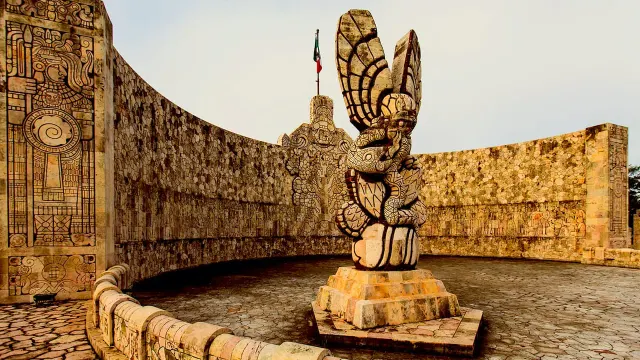
Mexico is a country between the United States and Central America, known for the beaches in the Pacific and the Gulf of Mexico, and its diverse landscape of mountains, deserts and jungles.
Overview
Volunteering in Mexico
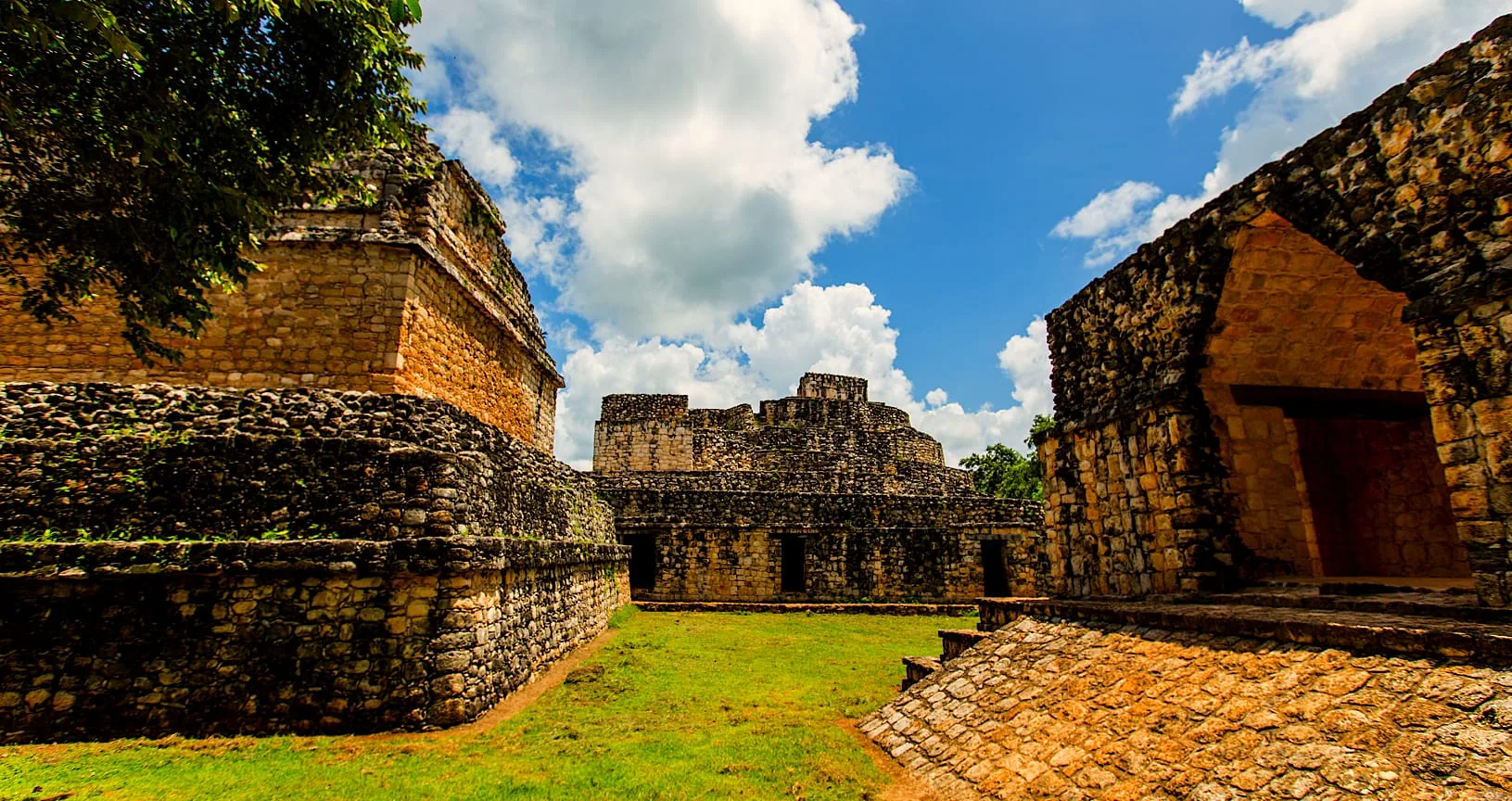
In Mexico it is one of the most complete countries, in it you can find many options to visit and enjoy, from magical towns, large cities, gastronomy, culture, history, nature, beaches and many attractions that will surely be of pleasure.
Why volunteer with us in Mexico
- 18 years and over. W/ parents if under
- 24/7 local staff in country
- Tax deductible and fundraising options
- Accommodations safe & friendliness
- Spanish Lessons available if needed
- Work Schedule 4-8 hours a day
- Airport Transfers included abroad
- Programs start at any day
- No Language Requirements
- Available for Special Groups
Fees
Program fees in Mexico
Calculate your fee
Official program fees in US dollars. Flights, visas and insurance are not included.
Choose your length of stay to see the fee.
What your fee includes
- Accommodation & meals: a handpicked host family or guesthouse, with 2 or 3 meals a day.
- Airport pick-up & drop-off: our staff meet you at arrivals and take you back at the end.
- Orientation on arrival: help settling in, getting around and starting at your placement.
- 24/7 support: local coordinators in the country and our US office.
- Your MyABVProject page: pre-trip information, payments and fundraising in one place.
- Pre-departure guides: everything to prepare before you travel.
Everything that's included →Questions? Call 866-423-3258
All fees in Mexico by length of stay
| Location / program | 1 week | 2 weeks | 3 weeks | 4 weeks | 5 weeks | 6 weeks | 7 weeks | 8 weeks |
|---|---|---|---|---|---|---|---|---|
| Oaxaca Center · Child Care | $980 | $1,200 | $1,420 | $1,640 | $1,860 | $2,080 | $2,300 | $2,520 |
| Oaxaca Center · Street Kids / Youth Program | $980 | $1,200 | $1,420 | $1,640 | $1,860 | $2,080 | $2,300 | $2,520 |
| Oaxaca Center · Teaching / Education | $980 | $1,200 | $1,420 | $1,640 | $1,860 | $2,080 | $2,300 | $2,520 |
| Pto. Morelos · Sea Turtle Conservation | $980 | $1,200 | $1,420 | $1,640 | $1,860 | $2,080 | $2,300 | $2,520 |
| Puerto Escondido · Animal Rescue Center | $895 | $1,030 | $1,195 | $1,360 | $1,575 | $1,690 | $1,855 | $2,030 |
| Puerto Escondido · Sea Turtle Conservation | $900 | $1,020 | $1,154 | $1,820 | $1,900 | $1,970 | — | — |
| Veracruz · Conservation / Environmental | $900 | $1,220 | $1,540 | $1,820 | $1,890 | $1,970 | $2,070 | $2,170 |
| Veracruz · Sea Turtle Conservation | $900 | $1,220 | $1,540 | $1,820 | $1,890 | $1,970 | $2,070 | $2,170 |
Program fees in US dollars. Use the calculator to add Spanish language immersion weeks where available.
In detail
Volunteer projects in Mexico
Volunteer in Mexico Oaxaca Center
Language & Cultural Immersion
Language immersion volunteer program includes 15 hours of weekly Spanish lessons, with 5 afternoons of classroom instruction. Lessons will focus on pronunciation, grammar and conversation. The language immersion volunteer program can be combined with any of our volunteer programs.
Volunteer in Mexico Meaningful travel begins when you engage with people of the world. Our language immersion volunteer programs in Oaxaca allows you to learn Spanish, grow as an individual and discover a new culture. What better way to learn a language than full immersion: lessons with a native Spanish speaker, home-stay with a local Costa Rican family and participating in a locally-run service project and community activities. Return from your ABV travels with a greater appreciation of your surroundings. Learn to be a global citizen and gain a broader view of the world.
Child Care
Access to education in Art and English is a primary issue in rural Oaxacan schools. Combined with financial vulnerability, most families struggle at providing their children a quality education. By volunteering as an English, you encourage the development of language and artistic skills of local children, giving them new opportunities to be creative and successful.
The preschools are located in the rural area of San Pablo Etla, a community northeast of Oaxaca City. The volunteer schedule is Monday through Friday, 9 A.M. to 12 P.M., excluding national holidays noted on the school calendar. Your volunteer work will change the lives of sixty children from ages 3 to 5.
Classroom expectations for teachers are to prepare a daily lesson plan covering conversational skills, essential reading and writing, listening skills, and organize academic-related activities. Volunteers will work alongside local teachers and participate in the institution's general operations. By immersing yourself in Oaxacan culture, volunteers will gain knowledge of local customs and culture, furthermore, refining their Spanish skills.
Street Children Center
This program works to improve the quality of life of children and families living in the streets of Oaxaca. They achieve this by providing mental-health and parental counseling, educational services, communal dining, adult and youth educational programs, and the basic knowledge of their rights as a human. The schedule is Monday through Friday, from 9 A.M. to 12 P.M., excluding national holidays. It benefits more than thirty-three children and encourages its volunteers to participate in activities that raise awareness and prevent child labor, struggling youths living in streets, the horrific situations they face in daily life.
While working here, volunteers will be able to practice their skills by helping within different tasks: organizing cultural and sporting events, assisting with office work, providing child care, teaching Art and English lessons, help plan festivals and holiday parties, or even get their hands dirty by helping with the must needed renovations to
the building. By volunteering with impoverished children living in the street, you will change the lives of some of the most vulnerable populations of Mexico and provide them an opportunity to learn and be creative for the first time in their young lives
Volunteer in Mexico Veracruz
Sea Turtle Conservation
We protect the nesting female sea turtles that arrive to nest on our beaches, as well as their nests and hatchlings that emerge from the sand and make their way into the ocean. Our conservation program includes beach patrols day and night as well as moving nests from risk zones to safe areas and releasing hatchlings into the ocean. There are many ways to protect the sea turtles and we do what we can to save them from extinction and protect their habitat. We also protect other species such as the blue crab, crocodiles and other wildlife in the region as well as the ecosystems in which they live such as the beach, the mangroves and the ocean.
- 5:00 a 9:00 am: Patrol the sea turtle zone, and recollect from the nest any new eggs.
- 9:30 am: Breakfast with all the staff and volunteers
- Free time
- 11:00 am a 12:30 pm: cleaning beaches
- 2:00 pm: lunch
- Free Time
- 4:00 pm: Welcome the groups we get daily, training and teaching environmental subjects. Help with reintroducing baby turtles into the wild.
- 6:00 pm: Farewell of the groups
- 7:30 pm: Dinner
- Free Time until 9PM
Clothing: Shirts with long sleeves and short sleeves (Dri-Fit), Pants, 2 shirts and 2 formal pants for meetings, Shorts, Clothes to get dirty, Waterproof / windbreaker, Comfortable footwear with firm sole, like boots, Long socks, Flip flops, Swimwear, Cap or hat, Sunglasses, Thermos for water, flashlight (that has yellow and red light), Waist bag, Plastic watch, Repellent, Sunscreen, Bath towel, Money for personal expenses, Personal hygiene items, Personal first aid kit.
Note: Airport Veracruz (VRZ) tranfers included US$270 both ways, 2.2 hours trips.
Conservation / Environmental Reforestation
We are dedicated in doing intelligent reforestation, using sustainable techniques and planting native or endemic trees. We organize reforestation campaigns together with our communities, schools, universities and different environmental groups. Reforestation is very important to our organization, not only as a way of fighting climate change but planting native trees that bear fruit also helps save sea turtles. How? Once the sea turtle predators such as birds have alternative food, such as mango or avocado, they will no longer need to eat as many sea turtle eggs.
Clean Beach: We have been organizing beach clean-ups for many years both together with the local communities and visiting groups to protect the nesting habitat of the sea turtles. We are currently working towards the certification of our beach as a Blue Flag beach, an international eco-label. The Blue Flag works towards sustainable development of beaches and marinas through strict criteria dealing with Water Quality, Environmental Education and Information, Environmental Management, and Safety and Other Services.
Environmental Education
One of the most important methods to protect the environment is through environmental education. Educating our future generations, we also ensure the protection of the future generations of sea turtles and the planet as a whole. We work together with various educational institutions as well as with the local communities realizing more than 200 conferences per year as well as organizing environmental events especially to raise awareness about the critical situation of the sea turtles but also addressing many other environmental issues.
Clothing: Shirts with long sleeves and short sleeves (Dri-Fit), Pants, 2 shirts and 2 formal pants for meetings, Shorts, Clothes to get dirty, Waterproof / windbreaker, Comfortable footwear with firm sole, like boots, Long socks, Flip flops, Swimwear, Cap or hat, Sunglasses, Thermos for water,flashlight (that has yellow and red light), Waist bag, Plastic watch, Repellent, Sunscreen, Bath towel, Money for personal expenses, Personal hygiene items, Personal first aid kit.
Note: Airport Veracruz (VRZ) tranfers included US$270 both ways, 2.2 hours trips.
Country info
About Mexico
Merida Introduction
The beautiful city of Mérida is located in the northwestern part of the Yucatán Peninsula in southeastern Mexico. It was founded in 1542 by Francisco de Montejo and built on the Maya city of T’ho which had been a center of Mayan cultura and activity for centuries. Nowadays Mérida – also know as the “White City” – it’s the most tranquil and safest cities in Mexico with it's own microhabitat.
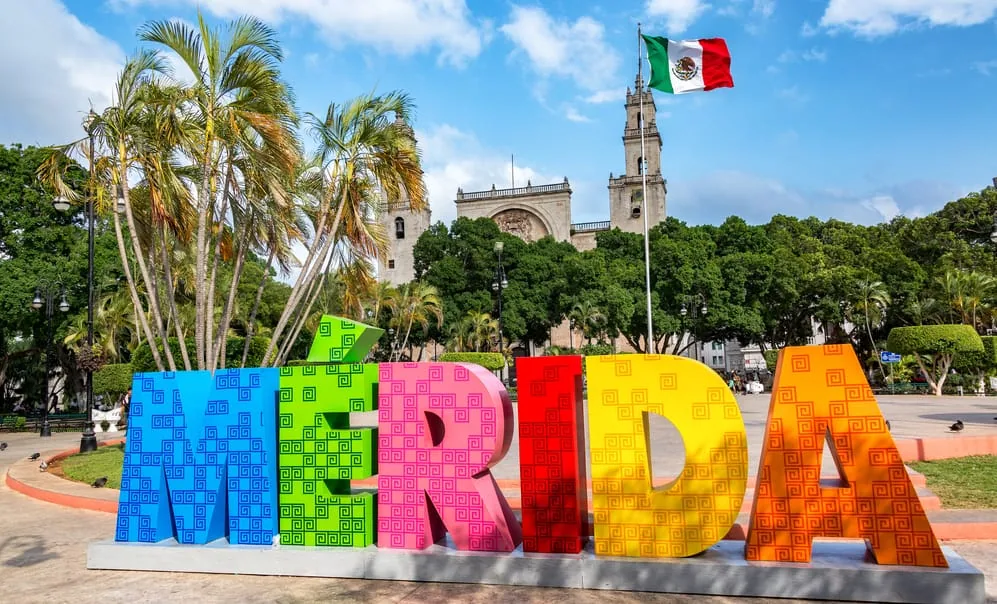
Its privileged geographical location, its history, the rich cultura life and authentic Mexican atmosphere make Mérida the ideal place for combining Spanish study and volunteer work.
With 830 000 inhabitants Mérida is a fascinating, and cosmopolitan town which has a lot to offer. Mérida’s historical downtown area mainly consists of beautiful colonial buildings which – especially around the main plaza – house museums, art galleries, restaurants, cafes, hotels, theatres and small shops. It is a vibrant cultural place where free cultural events are held daily. The modern nothern part of the city in contrast offers a comprehensive range of fancy shopping malls, top quality hotels, internacitional restaurants, universities and leisure facilities.
Because Mérida is surrounded by so many spectacular attractions (both natural and cultural), it is the perfect starting point to explore the treasures of Yucatán. From the beautiful beaches of the relaxed town of Progreso to the world famous Mayan ruins Uxmal, Mayapan and Chichén Itzá, the options close to Mérida are numerous.
Oaxaca Introduction
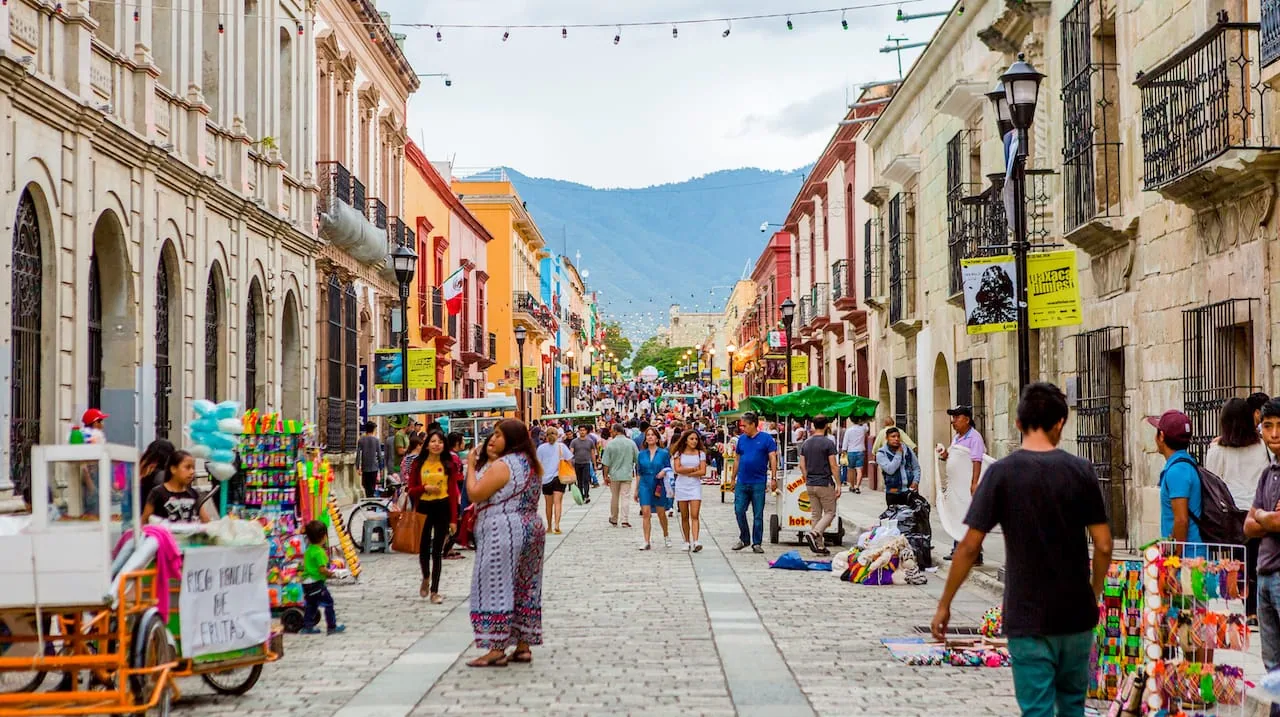
Oaxaca is a city visited by travelers from all over the world, a place full of traditions and natural sites that offer tourists a handful of cultural and recreative activities.
Oaxaca has a colonial architecture shown by it’s large amount of novohispanic churches and convents and is considered to be a food hub that brings together the flavors of it’s 8 different regions. The richness of it’s popular art can be recognized on it’s textiles, ceramics and all kinds of handcrafted products which are still linked to the Mexican prehispanic and indigenous culture.
There are at least 16 native languages in addition to a lot of arqueological sites, such as Monte Albán, Mitla and Yagul. Oaxaca is a city sorrunded by mountains and rainforests that offers the visitors unique places, such as Hierve el Agua (a set of natural rock formations that resemble waterfalls) or el Tule’s tree (2,000 years old).
Therefore, Oaxaca is a mix between art, nature and culture, which is shown on it’s music, paintings, literature and photography, artistic disciplines that are recognized not only in Mexico, but all over the world.
Your local coordinators



Welcome to Mexico 🇲🇽 (Bienvenido a Mexico!). Our Names are Telma, Jesus, Lazaro and Ricardo and we are your ABV coordinators while you are staying in Mexico. Our country has several big cities, DF, Guadalajara. You will be working in Oaxaca, Merida or Veracruz. We will be ready for support 24/7 in case you need to contact us urgently. We will introduce you to your volunteer location and staff.
You are most welcome to seek our assistance and don’t hesitate to ask me questions while in country.
Weather and best time to go
What is the best time of year to go to Oaxaca de Juárez in Mexico
Oaxaca shares the same summer as the United States and Europe, which includes the months of June, July and August. However, these months are also the wettest months in Oaxaca. Because of it's proximity to the equator the temperatures remain fairly constant throughout the entire year.
While Oaxaca does not have a traditional four-season year, it does have a rainy season and a dry season. The dry season lasts from October to April and you will see little rainfall. The wet season lasts from April to October with heavy rainfall.
Here are some average weather facts we collected from our historical climate data:
- On average, the temperatures are always high.
- The months June, July, August and September have a high chance of precipitation.
- Oaxaca de Juárez has dry periods in January, February, March, November and December.
- On average, the warmest month is April.
- On average, the coolest month is January.
- June is the wettest month.
- December is the driest month.
What is the best time of year to go to Veracruz in Mexico
During the month of January, February and December you are most likely to experience good weather with pleasant average temperatures that fall between 20 degrees Celsius (68°F) and 25 degrees Celsius (77°F).
The hottest season / summer is in April, May, June, July, August, September and October.
A lot of rain (rainy season) falls in the month: June, July, August and September.
- On average, the warmest month is August.
- On average, the coolest month is February.
- July is the wettest month.
- March is the driest month.
Reviews & photos
What volunteers say
Reviews
I loved when the kids would know my name and get excited to see. It meant to me that I was making them happy and that alone made me incredibly happy to be there. During the weekdays, I would get up at 8 am and go to volunteer. I would come home for lunch at my host mom’s.
Paige
Nationality: USA
Age: 23
This experience as a whole has surpassed my expectations as a volunteer. I am taking way more out of this program that I feel I even put in. The growth that you see yourself is something only time can prove. ABV was the more credible program I found online after many weeks of research.
Katerina
Nationality: USA
Age: 25
I think this was a great experience/opportunity for me. I worked at the dental hospital and it was great to see how different they treat their patients and the different accommodations they have to make. Living at Maria Elena´s was very nice.
Anna
Nationality: USA
Age: 22
Photos from Mexico


Free time
Explore Mexico on your days off
Tour and weekend trips
Once in country our local coordinator can help you find the most reliable and safe tour agencies for weekend trips, you can pay in cash or in most locations with a credit card. These tours are not part of the ABV fees.
Veracruz Tours
- El Tajín Ruins and Papantla Day Trip from Veracruz US$119
- Catemaco and Los Tuxtlas Natural Adventure Day Trip US$90
- City Tour con San Juan de Ulua US$43
- Tajin Ruins Day Trip and Vanilla Factory Experience US$90
- Coatepec and Xico Magical Towns Plus Xalapa Day Trip from Veracruz US$81
Oaxaca Tours
- Monte Alban Day Trip from Oaxaca uS$35
- Oaxaca City Tour: Temple, Museum and Market US$46
- Oaxaca Centro Gourmet Walking Food Tour US$80
- Mezcal Tours Oaxaca: A Day in the Life US$175
- MAIZ Cooking Class & Tour To The CASA Oaxaca US$75
Merida Tours
- Merida Street Food Walking Tour US$49
- Merida City Sightseeing Tour US$17
- Chichen Itza Day Trip + Cenote From Merida US$115
- Rio Lagartos Eco Tour from Merida US$114
- Valladolid & Ek Balam From Mérida Yucatán US$92
Guelaguetza, Oaxaca
Arguably Oaxaca City’s biggest and most well-known celebration is the annual Guelaguetza festival, a spectacle of culture, dance and tradition. Every July, dancers from all corners of the sprawling southern state, or to be more precise, from the seven regions of Oaxaca, gather in the capital’s hilltop amphitheatre to perform popular dances while dressed in elaborate and traditional Oaxacan outfits. Tickets typically sell out a while in advance.
Night of the Radishes, Oaxaca
Oaxaca’s Night of the Radishes, a much-hyped and much-beloved Christmas tradition centring around radish carving competitions (yes, really) is just the tip of the iceberg when it comes to quirky Mexican festivals and celebrations. You also have Tlaxcala’s Night Nobody Sleeps during which coloured sawdust carpets the streets to mark the Assumption of the Virgin Mary; Zacatecas’ La Morisma which involves full blown re-enactments of Christians vs. Moors battles; San Miguel de Allende even gets in on the act with the Fiesta de los Locos (Crazy People’s Party).
Merida
Many Mexican cities offer weekend concerts in parks and plazas, but Mérida surpasses them all by offering performances every day of the week. Unless otherwise indicated, admission is free.
Sunday -- From 9am to 9pm, the centro stages a fair called Mérida en Domingo(Mérida on Sunday). The plaza and a section of Calle 60 extending to Parque Santa Lucía close to traffic. Parents stroll with their children, taking in the food and drink booths, the lively little flea market and used-book fair, children's art classes, and educational booths. At 11am, musicians play everything from jazz to classical and folk music in front of the Palacio del Gobierno, while the police orchestra performs Yucatecan tunes in Santa Lucía park. At 11:30am, you'll find bawdy comedy acts at Parque Hidalgo, on Calle 60 at Calle 59. After a midafternoon lull, the plaza fills up again as people walk around and visit with friends. Around 7pm in front of the Ayuntamiento, a large band starts playing mambos, rumbas, and cha-chas with great enthusiasm; you may see 1,000 people dancing in the street. Afterward, folk ballet dancers reenact a typical Yucatecan wedding inside.
Sunday -- From 9am to 9pm, the centro stages a fair called Mérida en Domingo(Mérida on Sunday). The plaza and a section of Calle 60 extending to Parque Santa Lucía close to traffic. Parents stroll with their children, taking in the food and drink booths, the lively little flea market and used-book fair, children's art classes, and educational booths. At 11am, musicians play everything from jazz to classical and folk music in front of the Palacio del Gobierno, while the police orchestra performs Yucatecan tunes in Santa Lucía park. At 11:30am, you'll find bawdy comedy acts at Parque Hidalgo, on Calle 60 at Calle 59. After a midafternoon lull, the plaza fills up again as people walk around and visit with friends. Around 7pm in front of the Ayuntamiento, a large band starts playing mambos, rumbas, and cha-chas with great enthusiasm; you may see 1,000 people dancing in the street. Afterward, folk ballet dancers reenact a typical Yucatecan wedding inside.
Thursday -- At 9pm in Parque Santa Lucía, the Serenata Yucateca presents regional music, dance, and spoken-word performances.
Friday -- At 9pm in the courtyard of the University of Yucatán, Calle 60 at Calle 57, the University of Yucatán Ballet Folklórico performs typical Yucatecan dances.
Saturday -- At 8pm in the park at Paseo de Montejo and Calle 47, Noche Mexicana features traditional Mexican music and dance performances with craft booths and food stands selling great antojitos (finger foods), drinks, and ice cream. At 9pm, Calle 60 closes between Plaza Grande and Calle 53 for En El Corazón de Mérida, a festival featuring several live bands joined by stilt walkers, mariachis, and crafts and food stands.
Fiestas in Veracruz
- Día de la Candelaria (Feb 2). The final day of a week-long fiesta, complete with dances, boat races and bulls let loose in the streets, in Tlacotalpan. Colourful fiesta in Jaltipán, near Acayucán, which includes the dance of La Malinche (Cortés’ Indian interpreter and mistress, who is said to have been born here).
- Carnaval (the week before Lent; variable Feb–March) is celebrated all over the region, most riotously in Veracruz.
- Congreso de Brujos (first Fri in March). Shamans, witches, wizards and healers from across Mexico attend purification rituals and celebrations in and around Catemaco, amid a festival that attracts plenty of visitors.
- Fiestas de San José (March 18–19). In Naranjos, between Tuxpán and Tampico, a fiesta with many traditional dances. In Espinal, a Totonac village on the Río Tecolutla, not far from El Tajín and Papantla, you can witness the spectacular voladores.
- Semana Santa (Holy Week, March/April). Re-creations of the Passion are widespread in this area. You can witness them in Papantla, where you’ll also see the voladores; in Coatzintla, a Totonac village nearby; in Cotaxtla, between Veracruz and Córdoba; and in Otatitlán. Naolinco, a beautiful village near Xalapa, stages a mock Crucifixion on Good Friday. Also celebrations in Catemaco and in the port of Alvarado – a ribald Fish Fiesta following the spirit of the Veracruz Carnaval.
- Feria del Cafe (first two weeks of May). Coatepec celebrates the local crop.
- Corpus Christi (variable; the Thurs after Trinity Sun). The start of a major four-day festival in Papantla with regular performances by the voladores.
- Día de San Juan (June 24). Celebrated with dancing in Santiago Tuxtla,and in Martinez de la Torre, near Tlapacoyan, where the voladores perform.
- Día de la Virgen del Carmen (July 15–16). A massive pilgrimage to Catemaco, accompanied by a fiesta which spills over into the following day. At the same time, Xico has a week-long celebration of Mary Magdalene.
- Día de Santiago (July 25). Celebrated with fiestas in Santiago Tuxtla and Coatzintla; each lasts several days. In Tlapacoyan you can see the bizarre Baile de los Negritos.
- Day of Assumption (Aug 15). Widely celebrated, particularly in Tlapacoyan, where you can see El Baile de los Negritos, and with a week-long festival in Tuxpán that includes dancing and the voladores.
- Independence Day (Sept 15–16). Celebrated everywhere.
- San Jeronimo (last week of Sept). Big celebrations in Coatepec.
- Día de los Muertos (Day of the Dead; Nov 2). Observed everywhere.
- Día de la Virgen de Guadalupe (Dec 12). Widely observed, especially in Huatusco, Cotaxtla and Amatlán de los Reyes, near Córdoba.
- Christmas (Dec 25). Celebrated everywhere. There’s a very famous festival in Santiago Tuxtla that lasts until Twelfth Night (Jan 6).
Before you go
Good to know
Meals & Food
Volunteers are usually provided breakfast, lunch at a local restaurant during the week and weekends (read the website for detail description of the meals or ask our staff online). Breakfast typically consists of toast, fruit, eggs, cereal accompanied with milk, tea or coffee. We recommend budgeting between US$5 and US$6 per day to purchase dinner. If you have specific dietary requirements, our local team can customize to you but be flexible as well.
Start Dates
Most of our programs run year round, you can start any volunteer/internship program on any day. When you apply you will lets know your start and end dates. Our programs run year round and have volunteers arriving almost every day from many different countries.
Since our programs sometimes depend on the local holiday calendar, there are brief occasions when normal programs work is suspended. For example, schools/daycares often close for long winter/summer vacations. During these times, we arrange for alternative work programs that are similar in substance to our ongoing programs, but address the short-term, direct needs of the local communities.
If you would like to arrange your start and end dates around the local holidays, please call us at 1.866.423.3258 or email us at [email protected].
Giving Matters
A Broader View Volunteers work tirelessly year round to support our volunteers, and also to serve the local communities where ABV projects are based. As a tax-exempt 501 c(3) organization A Broader View receive 100% of our funding from volunteer contributions. Through your program fee contribution our non-profit charity organization can operate beneficial humanitarian aid programs which are successful and continuous supported year round.
Local, professional full-time coordinators, placement logistics, airport pick up and departure transportation, arrival orientation, food & local accommodations, are a major part of providing a safe, meaningful volunteer experience. When you join A Broader View, you will receive pre-trip visa and vaccination support, assistance with flights, fundraising planning, through our interactive online volunteer portal. Our local partners not only benefit from volunteers valuable contributions at the project, they benefit financially with year-round monetary support from A Broader View. In the last decade A Broader View has donated over 4.5 million dollars in international aid.
By joining A Broader View you are not only helping to make a difference during your own trip, your impact will last even after you go home.
FAQ
Volunteer information
Volunteer Schedule
Day One: Our local coordinator/staff will give you an orientation and will accompany you to your program. You will be shown how to manage the commute (bus, taxi, walking). You will be introduced to the site director and discuss your role at the project. Volunteers typically work a morning and an afternoon shift each lasting about 3-5 hours.
Weekdays: A typical volunteer day is as follows:
- 7:30 AM Breakfast at the volunteer house/homestay.
- 8:00 AM Volunteers depart, and travel to their project site.
- 8:30 AM to 13:00 PM Volunteer work and a lunch break.
- 14:00 PM to 17:00 PM Language lessons or afternoon volunteer work.
- 18:30-19:30 PM Dinner at the volunteer house/homestay.
Note: This is an example schedule. Volunteer work hours can vary depending on the program and the location.
Evenings: For peace of mind and to ensure the well-being of our volunteers, a nightly curfew of 21:30PM is in place from Sunday to Thursday. Curfew is set at 12:00AM for Friday and Saturday. (All volunteers must comply with their home country’s legal drinking age).
Communication While Overseas
Volunteers have several ways to stay in touch with their family/friends back home and with the ABV local staff while they are overseas. All city/urban program locations have access to internet/cyber cafes which typically charge hourly rates ($1-$2). The majority of ABV guesthouses, homestays have WIFI access (fees apply), and have land line telephone numbers. Even rural program locations have mobile phone service, and small towns nearby with internet facilities. All ABV staff use mobile phones to stay in contact with their volunteers.
Before traveling volunteers should contact their mobile phone provider and ask about international call/texting plans. Volunteers should consider buying a portable wifi device (especially in rural locations). If planning on traveling with your own mobile phone volunteers should look at apps like Skype, FaceTime and WhatsApp to stay connected through messenger or short calls home. Volunteers can rent a wireless phone or buy a cheap throwaway phone once they arrive in-country. In some locations you can do that for less than $50. In fact, your regular carrier may even offer overseas rentals. ABV local staff will assist you and show you where to purchase SIM cards.
Once you arrive in-country and settled in, our ABV staff will help you contact home to let someone know you arrived safely. All volunteers are also given an emergency phone number on their Volunteer Guide/summary, which is available 24/7 to contact ABV staff.
When can I travel?
Easy. Choose the dates that work best for you. Although some programs have date restrictions the majority of our volunteer programs are available year round. Volunteers select their own program start date and complete an online application. Once you have been accepted and dates approved, ABV will ask you to confirm your registration by paying a us$120 included in the overall fee.
Safety and Security
The safety of our volunteers is paramount for A Broader View Volunteers. The majority of ABV Volunteers travel and serve without major incident. However, programs are based in some of the least developed countries and in some of the most remote areas in the world, health, safety, and security risks are an unavoidable part of life and international service. To address these concerns and to safeguard the well-being of our program participants, A Broader View has safety protocols and security procedures for all programs:
- Security: All project sites, local in-country staff and accommodation sites have gone through a rigorous filter and have been hand selected. ABV has spent almost 17 years cultivating and strengthening of our local partnerships & host family relationships. In-country staff visits, daily research of local conditions, as well as weekly checkup of our host families and accommodations are conducted. Site selection is based on criteria including; access to medical, banking, postal, and other essential services; access to communication, transportation, and local markets; availability of adequate housing and living arrangements.
- Pre-Departure Guide: Your ABV account will have a detailed volunteer guide. Volunteers are provided country information, packing lists, customs and language information, and much more. ABV also provides information about visa requirements, vaccinations, climate, weather, and safety and security issues specific to the country.
- Volunteer Summary: A full month before traveling volunteers are provided a detailed account of their volunteer project (including supply/donation list), arrival procedures, emergency contact information, accommodation details and the full name, phone and email of their local ABV Coordinator.
- Overseas Staff and communication: Our local staff support is immeasurable in their professionalism and dedication to the volunteers under their charge. The majority of ABV staff coordinators have been involved since the very start (over 11 years) and are well experienced handling the unexpected such as situations where volunteer students become ill, suffer accidents, are the victims of pick pockets. ABV staff is trained to react in a responsible and levelheaded way when emergencies do arise. They will do whatever is necessary to assure this, whether this means obtaining prompt and appropriate medical attention, embassy intervention or local authorities.
- Host Families and accommodations: Our local volunteer guesthouses, onsite project dorms and host families have been hand-picked. A Broader View accommodation have specific standards for the hygiene, cleanliness, location and comfortable living conditions for our volunteers. Telephone access is available 24/7 and most sites have internet access. Volunteers have to follow the curfew of the host accommodation.
- Arrival Meeting/Orientation: ABV programs provide a customized arrival plan. We can arrange your arrival/pick up at the airport, bus station or local hotel. Start your program with peace of mind, having the local ABV staff meeting you when you arrive in-country. Volunteers are provided orientation before starting their program. Orientation schedules vary from country to country but will include acclimation tours of the local town/city, accommodation neighborhood, geolocation map description, program location, main interesting points in the city or area. Emergency and medical protocols will be discussed and also address safety and security issues specific to the community volunteers live and work in.
- Every staff member of A Broader View is committed to providing volunteers with the support they need to successfully meet the challenges they will face to have a safe, healthy, and productive service. The success of each ABV volunteer is our prime goal. We rely on volunteers to exercise personal responsibility and demonstrate both a keen awareness of the world around them and a willingness to adjust their behavior in a manner that will enhance their safety and well-being. In the end, your efforts will be rewarded with an incredible, unique experience.
The emergency lines are staffed by an A Broader View:
- Communicate late/missed/flight connections during travel days
- Notify a Volunteer of an emergency (e.g. critical illness or death of a family member)
- Respond to family questions about a Volunteer's status (if problem occurring in-country)
ABV in a nut shell
- 501 (c)3 nonprofit USA based organization – you can tax deduct the program fees.
- Available year-round. You choose your own program start and end dates.
- 32 country locations to choose from. Programs available from 1 week up to 3 months in length.
- 245 perfectly balanced projects - experience, price, service.
- 100% cultural immersion including local home-stay and guesthouse accommodations.
- Program fees include airport transportation, orientation, housing/meals, 24/7 in-country support.
- Suitable options for solo travelers, gap year, honeymooners, families, mature travelers & groups.
- Excellent safety record and Platinum rated non-profit organization per Guidestar ABV alumni reviews.
- Between 1500-2000 volunteer per year with a high percentage of repeat volunteers.
Language Options
Fluency in Spanish is not a requirement for the ABV volunteer programs, however on certain programs, volunteer work will be restricted with limited language ability. We recommend that volunteers take advantage of the very affordable language lessons offered exclusively to ABV volunteers by our local team in country. Past volunteers feel that taking these lessons help immensely with day-to-day volunteer work and communicating with local people. language lesson...read more.
Volunteers interested in taking Spanish lessons can arrange these directly with the local coordinator once in country or when applying online. Please note that Spanish lessons are not available to volunteers in some very specific locations. (Lessons fees)
We also recommend to learn some basic spanish prior traveling and/or download the itranslate apps for your phone.