International volunteering can be life-changing, opening doors to new cultures and lifelong connections. But before packing your bags, there is one crucial question every traveler must ask:
Does this program genuinely benefit the local community, or is it just selling an experience to tourists?
At A Broader View Volunteers (ABV), a U.S. 501(c)(3) nonprofit founded in 2007, we operate by one core rule: the community must always matter more than the volunteer experience.
Here is a practical, 7-point audit checklist to evaluate any volunteer program before you book.
What Is Ethical Volunteering?
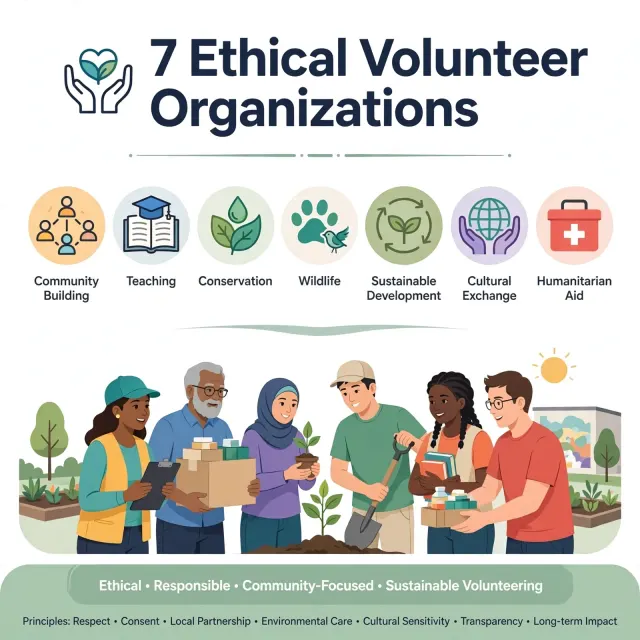
Ethical volunteering prioritizes the long-term dignity, safety, and needs of host communities over tourist entertainment. A responsible program must:
- Respond to needs defined by local leaders, not outside assumptions.
- Support—never replace—paid local workers.
- Match volunteer tasks strictly to verified qualifications.
- Enforce rigorous protection for children and vulnerable populations.
- Offer transparent financial breakdowns of program fees.
The 7-Point Ethical Audit Checklist
1. Verify Legal Status & Accountability
Confirm who runs the program and where legal responsibility sits. Look for verified nonprofit or corporate registration, physical headquarters, identifiable leadership, and clear financial reports.
- How ABV does it: Registered 501(c)(3) nonprofit based in Pennsylvania since 2007. Learn more about our governance.
2. Ensure Local Communities Lead the Work
Never join a project invented solely to keep travelers busy. The host community should set priorities, supervise activities, and ensure the project continues long after volunteers head home.
3. Track Where Program Fees Go
High prices don't guarantee impact, and ultra-cheap fees often hide poor local wages. Responsible programs explain how funds are allocated across homestays, project grants, staff salaries, and emergency logistics.
- How ABV does it: Approximately 65% to 70% of program fees go directly into host communities, local coordinators, and family homestays.
4. Check Qualifications & Supervision
Enthusiasm is not a substitute for skill. Medical, educational, and care placements must operate under strict supervision.
- Unqualified volunteers should never independently treat patients, prescribe medicine, or replace certified classroom teachers.
5. Evaluate Safeguards for Children & Vulnerable Groups
Children are not tourist attractions. Ethical providers require criminal background checks, clear boundary policies, and photography restrictions.
- Red flag: Be cautious of short-term residential orphanage visits, which can disrupt healthy childhood attachment.
6. Look for Long-Term Value (Beyond Testimonials)
Reviews often show if a traveler had fun, but not if the community benefited. Look for multi-year community partnerships, stable local employment, and initiatives that build local self-reliance rather than perpetual dependency.
7. Confirm Cultural & Environmental Respect
Responsible service means supporting local economies. Choose programs that place you with local host families, use community-run transport, and educate volunteers on cultural norms before arrival.
Quick Comparison Scorecard
| Key Audit Area | What a Responsible Organization Must Show |
|---|---|
| Legal Standing | Verified nonprofit/business registration and open leadership. |
| Local Ownership | Projects initiated, directed, and sustained by local partners. |
| Fee Transparency | Clear, published breakdown of program fee allocation. |
| Skill Matching | Vetted participant qualifications and licensed on-site supervision. |
| Safeguarding | Mandatory background checks and strict child protection rules. |
| Sustainability | Multi-year community partnerships and measurable progress. |
| Local Economy | Use of local transport, homestays, and family-owned businesses. |
Frequently Asked Questions
How can I avoid voluntourism?
Choose programs driven by local community needs, verify child-safeguarding policies, and ensure tasks match your real-world professional training.
Are nonprofit organizations always better than for-profits?
Not automatically. Legal nonprofit status ensures regulatory accountability, but true ethics depend on how projects are managed on the ground.
Can pre-med students volunteer in clinics abroad?
Yes, but strictly in observational, supportive, non-clinical capacities under the guidance of licensed local medical professionals.
Travel With Purpose
Meaningful travel leaves lasting relationships and community support—not just photos.
- 🌍 Explore placements: Browse Volunteer Opportunities
- 📖 Our philosophy: ABV Mission Statement
- 🚀 Ready to serve? Start Your Application